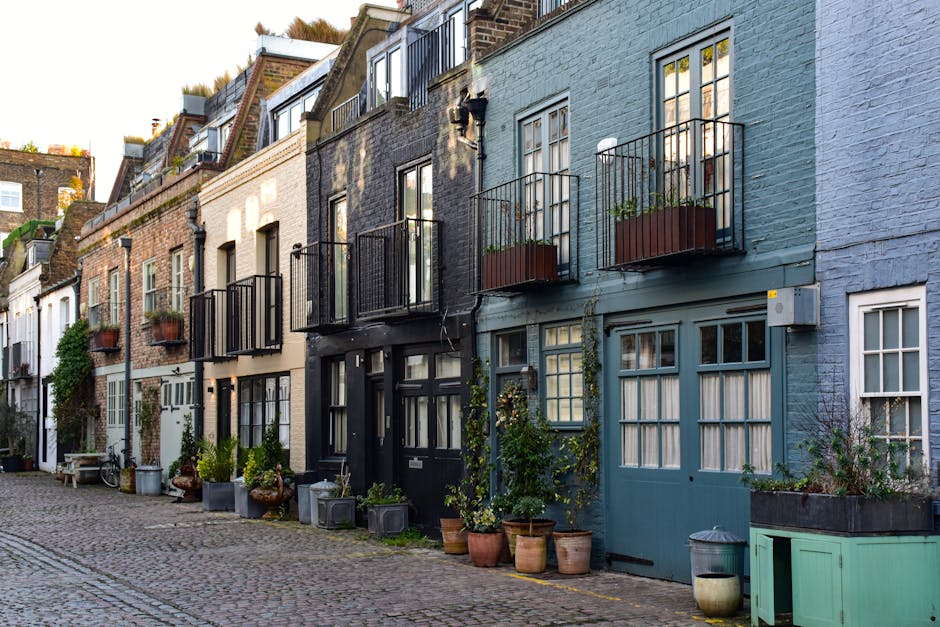
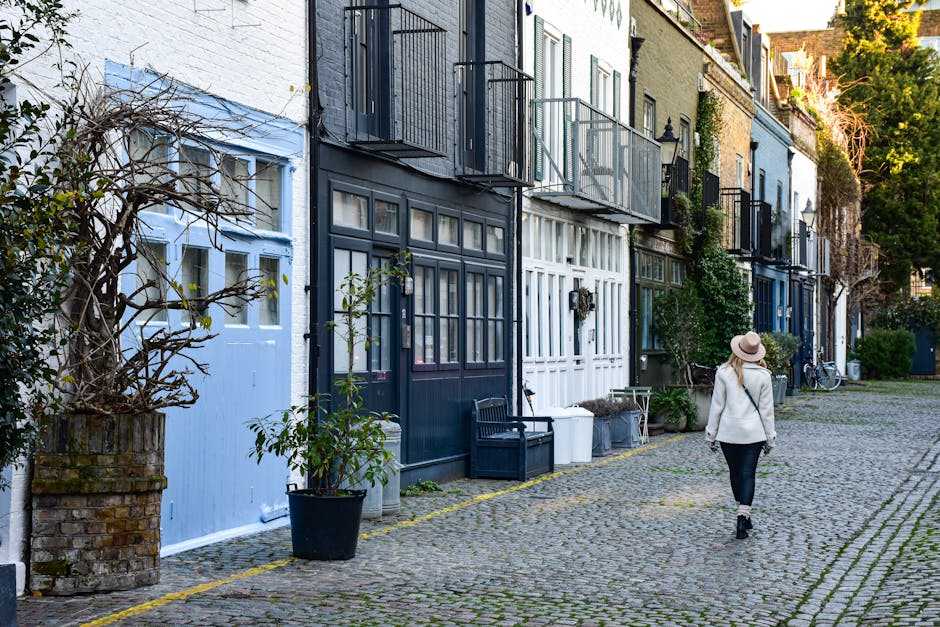
Gardeners guide for Brompton Road mews gardens
If you look after a mews garden off Brompton Road, you already know the challenge: small space, big expectations. These gardens are often tucked behind elegant facades, shaded by surrounding buildings, and expected to look immaculate without feeling overworked. That mix can be lovely, but it can also be a bit unforgiving. One missed prune, one thirsty border, one awkward drainage patch, and suddenly the whole space feels tired.
This Gardeners guide for Brompton Road mews gardens is written for people who want a garden that feels calm, polished, and genuinely usable, not just neat for a day or two. Whether you are maintaining a private courtyard, refreshing a tucked-away terrace, or planning a fuller redesign, you will find practical steps here on planting, access, seasonal care, materials, and the little decisions that make a compact London garden work properly.
To be fair, mews gardens are often more technical than they first appear. You are dealing with narrow access, reflected heat, pockets of shade, privacy issues, and sometimes neighbours who can hear a wheelbarrow before they see it. But get the basics right and these spaces can be quietly beautiful. Let's get into it.
Table of Contents
- Why Gardeners guide for Brompton Road mews gardens Matters
- How Gardeners guide for Brompton Road mews gardens Works
- Key Benefits and Practical Advantages
- Who This Is For and When It Makes Sense
- Step-by-Step Guidance
- Expert Tips for Better Results
- Common Mistakes to Avoid
- Tools, Resources and Recommendations
- Law, Compliance, Standards, or Best Practice
- Options, Methods, or Comparison Table
- Case Study or Real-World Example
- Practical Checklist
- Conclusion
- Frequently Asked Questions
Why Gardeners guide for Brompton Road mews gardens Matters
Brompton Road sits in one of London's most refined and tightly planned parts of the city, and that context shapes the garden work. Mews gardens here are rarely large, but they carry a lot of visual weight. They are seen from kitchen windows, side passages, small courtyards, or private entrances. In other words, every plant choice and every finish is on show.
That makes thoughtful gardening especially important. A mews garden is not simply a smaller version of a typical suburban plot. It often has different light, different microclimates, less soil depth, and far less forgiveness when maintenance slips. The wrong plant can quickly crowd a path. A neglected climber can make a facade feel messy. Poor drainage can turn a charming corner into a damp, unusable patch by winter.
There is also a lifestyle dimension. Many Brompton Road properties are used by residents who want a garden to support privacy, calm, and a sense of retreat. A well-managed mews garden can soften hard architecture, reduce the feeling of being overlooked, and bring seasonal change into a compact urban space. That is a real benefit, not just a decorative extra.
If you are also thinking more broadly about garden upkeep across a property or portfolio, it can help to look at related services such as regular garden maintenance in London or broader landscaping services for structural updates. The best mews gardens are usually cared for as living spaces, not as afterthoughts.
Expert summary: The success of a Brompton Road mews garden usually depends less on size and more on precision. Light, drainage, planting scale, and access all matter. Get those right and the space starts working for you instead of against you.
How Gardeners guide for Brompton Road mews gardens Works
Think of a mews garden as a small design system. Every element affects the next one. Plant height influences light. Surface choice influences drainage. Access influences how often maintenance can happen without disruption. Even a simple border can feel very different depending on whether it sits beside brick, render, timber, or old stone.
The process normally starts with observation. A good gardener will notice where the sun falls in the morning, which corners stay damp after rain, where wind funnels through the site, and whether the garden is more overlooked than expected. In London, those details can change the whole planting strategy. A shaded courtyard off Brompton Road may need a completely different mix from a sun-baked south-facing mews plot only a few doors away.
Then comes structure. In compact gardens, structure matters more than abundance. You usually want a strong framework of evergreen planting, a few seasonal focal points, and clean lines that help the eye move through the space. That framework can be built with shrubs, clipped forms, trellises, planters, small trees, or restrained hard landscaping.
Finally, there is upkeep. Mews gardens work best when maintenance is light but consistent. A little attention every few weeks is usually better than a large, infrequent overhaul. That is where many homeowners and property managers benefit from a reliable garden maintenance plan rather than treating the space as something to fix only when it looks tired.
In practice, the best results come from three things working together:
- right plant, right place
- clean, durable materials
- maintenance that fits the space, not the other way round
Sounds simple. It rarely is. But it can be.
Key Benefits and Practical Advantages
A well-planned Brompton Road mews garden gives you more than a pretty view. It can improve daily living in ways people only notice once the space is properly working.
1. Better use of a small footprint
Compact gardens need discipline. By using vertical structure, restrained planting layers, and practical surfaces, you can make a small area feel larger and calmer. A cluttered mews garden feels even smaller than it is. A disciplined one feels considered.
2. Privacy without heaviness
Many mews gardens need screening, but heavy barriers can make the space feel boxed in. Carefully chosen hedging, climbers, and lightweight trellis systems create privacy without turning the garden into a bunker. That balance is one of the most valuable parts of good design.
3. Easier seasonal care
When the plant palette is sensible, maintenance becomes more predictable. You can prune, feed, mulch, and replace with less effort. In a high-value London setting, that matters because time, access, and presentation all have a cost attached.
4. Improved property presentation
A tidy, healthy mews garden lifts the entire feel of a home. It also supports the impression that a property is cared for properly. That is especially important in areas where outdoor space is part of the home's overall appeal.
5. Better seasonal resilience
London gardens can swing between wet winters, dry spells, and sudden warm patches. Thoughtful planting and mulching help buffer those changes. A resilient garden is not one that never changes; it is one that changes gracefully.
For homeowners who want a garden that is attractive but not high-drama, this is where good planning really earns its keep. No grand gestures. Just sensible, elegant choices.
Who This Is For and When It Makes Sense
This guide is especially useful if you are one of the following:
- a homeowner with a private mews garden off Brompton Road
- a property manager responsible for a communal courtyard or access garden
- an investor wanting to improve outdoor presentation before letting or sale
- someone inheriting a garden that looks fine in summer but collapses in winter
- a resident who wants more privacy, better planting, or a cleaner layout
It also makes sense if your garden feels strangely difficult to maintain. That is usually a sign the original layout, planting depth, or material choices were not right for the space. Truth be told, many urban gardens are designed around appearance first and day-to-day use second. That works for a while. Then the maintenance bill starts to speak up.
If you are not sure whether you need a light refresh or a full redesign, a local garden design service can help you separate what is worth keeping from what is quietly causing the problems. Sometimes one or two changes make the biggest difference. Sometimes the bones of the space need rethinking. It depends.
As a rough rule, this guide is most useful when your garden has at least one of these issues:
- poor light or awkward shade
- limited access for tools and materials
- patchy planting or weak year-round structure
- drainage or surface water concerns
- a need for privacy in a tightly built environment
Step-by-Step Guidance
Here is a practical way to approach a Brompton Road mews garden without getting lost in the detail. You do not need to tackle everything at once. In fact, it is usually better if you do not.
Step 1: Assess the site properly
Start by walking the garden at different times of day if you can. Morning light, midday glare, and late-afternoon shade can all tell you different things. Notice where water collects after rain. Notice what you can hear too. Mews gardens often pick up sound from gates, footsteps, and nearby traffic in a way people forget to plan for.
Make a simple note of:
- sun and shade patterns
- wind exposure
- soil depth and quality
- drainage issues
- visible views and overlooked areas
- access routes for maintenance
Step 2: Decide what the garden needs to do
Does the space need to feel private? Family-friendly? Low maintenance? More elegant for entertaining? There is no single right answer. A good garden solves the right problem first. A common mistake is trying to make one compact garden do everything at once. That's where it gets messy.
Step 3: Build a strong structure
In small urban gardens, structure is the backbone. Use evergreens, neatly trained climbers, clipped shrubs, or slim trees if the space allows. Keep circulation clear. Leave enough visual breathing room. The garden should feel intentional even in February, which is when the real test begins.
Step 4: Choose plants for conditions, not wishful thinking
Plants should match the garden's actual conditions. Shade-tolerant species belong in darker courtyards. Heat-tolerant plants belong near reflective brick or paving. If a plant needs endless pampering to survive, it probably does not belong in a mews garden with limited time and access. Harsh, maybe. True, though.
For more detailed support on what to choose and when to replace, many homeowners benefit from a regular planting and border design service rather than trying to patch everything alone.
Step 5: Add practical surfaces and edges
Paving, edging, steps, and planters should feel calm and durable. Small spaces show wear quickly, so material quality matters. Choose finishes that can handle London weather and look good even when a few leaves have fallen across them.
Step 6: Put maintenance on a realistic cycle
There is no point creating a beautiful plan if no one has time to maintain it. Agree on a routine that fits the space:
- weekly visual checks in peak season
- fortnightly tidying and deadheading where needed
- seasonal pruning and feeding
- annual review of plant health, drainage, and soil condition
That sequence keeps the garden from drifting. Which, in a place like this, is half the battle.
Expert Tips for Better Results
The small details are what separate a decent mews garden from one that feels quietly expensive. Not flashy. Just composed.
Use repetition sparingly
Repeating a few plant forms can make a small space feel larger and calmer. Too much variety creates visual noise. In a Brompton Road setting, restraint often reads as quality.
Prioritise winter structure
People plan for summer colour and then wonder why the garden looks bare for half the year. Keep evergreen structure, bark texture, upright stems, or architectural planters in the mix. Winter is when a good garden proves it had a plan.
Watch for reflected heat
Brick, paving, and sheltered walls can create hotspots. Some plants scorch faster than you expect. If a corner seems fine in spring but sulks by August, reflected heat may be part of the story.
Keep access in mind from day one
If every visit requires squeezing tools through a narrow route, maintenance becomes harder and more expensive. Compact gardens need compact solutions. That includes storage, water access, and the ability to remove waste without disturbing the whole space.
Mulch properly
A good mulch helps retain moisture, suppress weeds, and improve soil condition over time. In urban gardens with patchy soil depth, that is more useful than many people realise. Just avoid piling mulch against stems. That one's a classic.
For recurring upkeep, a specialist seasonal garden maintenance visit can keep the planting on track before problems become obvious. By the time a shrub looks bad, it has often been struggling for weeks.
Do not overfill the space
This is the trap. A compact garden can look charming in a plan and cramped in real life if too many features are added. Leave a little emptiness. It helps the garden breathe. And frankly, your eyes need somewhere to rest.
Common Mistakes to Avoid
Most mews garden issues are not dramatic. They are slow, cumulative, and very avoidable. The trouble is, they often feel harmless at the time.
- Choosing plants for looks only. A plant that looks perfect in the nursery may hate your light levels, soil depth, or wind exposure.
- Using too many different materials. Too much variety in paving, edging, and planters can make a small space feel chopped up.
- Ignoring drainage. A beautiful garden with standing water is still a problem garden.
- Letting climbers run unchecked. They can quickly cover light, trap moisture, and make maintenance awkward.
- Blocking access routes. A planted-over path may seem soft and romantic at first, then become a nuisance every week after.
- Skipping seasonal cutbacks. In London, a garden can look passable for months before suddenly becoming unruly. Then everything needs doing at once.
One small but common issue is overwatering potted plants in sheltered mews spaces. Because they are enclosed, people assume the pots dry slowly. Sometimes they do. Sometimes they do not. It depends on wind, drainage holes, and surface material. A quick finger test still beats guessing.
If the garden feels beyond a simple tidy-up, a more structured garden clearance service can help reset the space before replanting. A clean slate is not always necessary, but it is sometimes the sane option.
Tools, Resources and Recommendations
You do not need every tool under the sun. In fact, having too much kit in a small mews property can become part of the problem. Keep it practical.
Useful tools for compact garden care
- sharp secateurs for clean pruning cuts
- long-handled loppers for thicker stems
- lightweight hand forks and trowels
- a compact watering can or hose setup with good reach
- gloves with decent grip for narrow-space work
- a small wheelbarrow or trug for waste and mulch
Helpful planning resources
For larger improvements, it helps to look at the garden as a set of functions rather than a single patch of greenery. That means reviewing planting, hard landscaping, drainage, and long-term maintenance together. If you are considering a more complete transformation, hard landscaping solutions can be useful for improving edges, levels, and access before planting goes in.
It also makes sense to think about long-term care from the start. A good planting plan that suits the site will usually save time, reduce waste, and improve the finish. If you need ongoing help, an arranged residential garden service can keep the garden looking settled rather than periodically rescued.
Simple recommendation framework
| Need | Best approach | Why it works in a mews garden |
|---|---|---|
| Privacy | Climbers, slim hedging, trellis | Creates screening without losing light |
| Low maintenance | Evergreens, resilient perennials, mulch | Reduces constant intervention |
| Small-space design | Repeating forms, strong lines, fewer materials | Makes the garden feel larger and calmer |
| Better drainage | Surface review, soil improvement, grading | Prevents waterlogging and plant stress |
Law, Compliance, Standards, or Best Practice
Most private mews garden work is straightforward, but it is wise to keep local conditions and standard practice in mind, especially in central London. If your property is leasehold, part of a managed development, or located within a conservation-sensitive setting, there may be permissions or design expectations that affect what you can change. That is not unusual, just something to check early.
In practical terms, the main areas to watch are:
- Boundary and access arrangements: make sure maintenance work does not interfere with shared routes or neighbouring rights of way.
- Drainage and runoff: avoid creating water flow problems for adjoining properties.
- Tree and root considerations: larger planting may need checking before installation, especially near walls or paved areas.
- Noise and working hours: keep practical works respectful of neighbours, particularly in tightly packed streets.
- Waste handling: garden waste should be removed responsibly and in line with local collection or disposal arrangements.
Where building work, paving changes, retaining structures, or significant excavation are involved, it is sensible to confirm whether any permissions or property-specific approvals are needed. The details vary, and assumptions can be expensive. A careful check upfront saves awkward conversations later.
From a best-practice point of view, the safest approach is to design for reversibility where possible, avoid overloading the space structurally, and keep maintenance straightforward. That is especially valuable in older London mews properties where access can be tight and surfaces need to last.
Options, Methods, or Comparison Table
There is more than one way to make a Brompton Road mews garden work. The right method depends on how you use the space, how much upkeep you want, and how much visual structure already exists.
| Approach | Best for | Pros | Trade-offs |
|---|---|---|---|
| Light maintenance refresh | Gardens that are basically sound but look tired | Fast, cost-conscious, minimal disruption | Won't fix structural or drainage problems |
| Replanting and border redesign | Spaces with poor plant performance or weak year-round appeal | Better visual cohesion and easier care | Requires good plant selection and seasonal patience |
| Full redesign with hard landscaping | Gardens with awkward layout, access, or drainage issues | Most complete transformation | More planning, more disruption, usually a bigger budget |
| Ongoing maintenance plan | Homes where presentation matters year-round | Stable appearance, fewer surprises, better plant health | Needs regular commitment rather than one-off fixes |
If you are unsure which route is right, start with the least disruptive option that solves the biggest problem. That is usually the most sensible move. No need to bulldoze a garden that only needs a clearer plan.
Case Study or Real-World Example
Imagine a small mews garden just off Brompton Road: narrow, partially shaded, with a brick wall at one side and a paved return to the rear. The original planting is a mixed bag, to put it kindly. One shrub is thriving, two are sulking, a climber has gone a bit rogue, and the centre of the garden feels oddly empty.
The first step is a site reset. The overgrown climber is cut back and retrained. The weak plants are removed. The drainage is checked after rainfall, revealing that one corner stays damp because of slight surface fall issues. The design then shifts toward a simpler framework: a restrained evergreen base, shade-tolerant perennials, a vertical trellis for privacy, and cleaner paving lines to visually widen the space.
Nothing dramatic, just better decisions. The result is a garden that feels calmer at the door, easier to maintain, and more in tune with the property. By late spring, the space has more rhythm. By autumn, it still holds together. That is the real test, not the first week after the work is done.
In cases like this, the most successful outcome is usually not the most complicated one. It is the one that respects the space, the light, and the way the garden is actually used.
Practical Checklist
Use this checklist before starting work on a Brompton Road mews garden or when reviewing an existing one.
- Have I identified the garden's main purpose?
- Do I know where the sun, shade, and wind strongest points are?
- Have I checked for drainage issues after rain?
- Are the plants suitable for the actual conditions, not just the look I want?
- Is there enough structure for the garden to look good in winter?
- Are access routes clear for maintenance and waste removal?
- Are materials durable and appropriate for a compact urban setting?
- Have I kept the layout simple enough to maintain properly?
- Are any leasehold, neighbour, or property-specific constraints relevant?
- Do I have a realistic seasonal maintenance plan?
If you can tick most of those boxes, you are probably on the right track. If not, that is fine too. Better to catch the weak spots now than after six months of avoidable frustration.
Conclusion
A Brompton Road mews garden rewards careful thinking. It does not need to be large to feel special, but it does need a clear plan, the right plants, sensible materials, and steady upkeep. That is the heart of any good Gardeners guide for Brompton Road mews gardens: make the space work beautifully in the real world, not just on paper.
The best results usually come from restraint, consistency, and a proper understanding of the site. Once those are in place, even a modest courtyard can feel calm, private, and quietly elegant through every season. That is a lovely thing to live with, honestly.
If you are ready to improve a compact London garden, start with the fundamentals and build from there. A thoughtful approach now will save you time, effort, and patchy results later. And that feels good, doesn't it?
Get a free quote today and see how much you can save.
Sometimes the smallest gardens are the ones that leave the biggest impression.
Frequently Asked Questions
What makes a Brompton Road mews garden different from other London gardens?
Mews gardens in this area are usually compact, enclosed, and closely overlooked, so they need more careful planning around privacy, access, and year-round structure than a typical open garden.
How often should a mews garden be maintained?
Most compact urban gardens benefit from light, regular upkeep rather than occasional heavy work. Weekly checks in the growing season and seasonal pruning are a sensible starting point.
Which plants work best in shaded mews gardens?
Shade-tolerant shrubs, evergreen structure, and woodland-style perennials often perform better than sun-loving plants. The exact choice depends on how deep the shade really is and how dry the soil becomes.
Can a small mews garden still have privacy without losing light?
Yes. Soft screening with climbers, slim hedging, and trellis can protect privacy while keeping the space open. Heavy screening is usually not the best answer in a small garden.
Do I need planning permission for garden changes?
Simple planting and maintenance usually do not raise issues, but larger landscaping changes, excavation, boundary alterations, or work in a sensitive property setting may need checks. It is best to confirm before starting.
How do I stop a compact garden from feeling cluttered?
Use fewer materials, repeat plant forms, and keep clear paths. In small spaces, restraint nearly always looks better than trying to fit in every idea at once.
What should I do if water pools in one part of the garden?
Look at surface levels, soil condition, and drainage after rainfall. Small pooling issues can sometimes be improved with regrading or planting adjustments, but persistent waterlogging needs proper assessment.
Is it better to use pots or borders in a mews garden?
Both can work. Pots are flexible and useful for awkward spots, while borders often give better long-term planting depth and a more settled feel. A mix is often the most practical option.
How much should I prune a climber in a narrow courtyard?
Enough to keep it off windows, gutters, and walking routes, but not so much that it loses shape entirely. Regular light pruning is usually better than one big hard cut.
What is the easiest way to make a mews garden look better quickly?
Clear dead growth, sharpen the edges, mulch where needed, and simplify any overcomplicated planting. A tidy structure makes an immediate difference, even before new plants settle in.
Should I hire a gardener or a landscape designer first?
If the garden already has a decent layout and mainly needs upkeep, a gardener may be the first call. If the space has layout, drainage, or design problems, a designer or design-led landscaping service may be more helpful first.
What is the biggest mistake people make with Brompton Road mews gardens?
Usually it is overfilling the space or choosing plants that do not suit the light and maintenance conditions. Small gardens need a lighter touch than people expect.