Hedge Trimming in Brompton
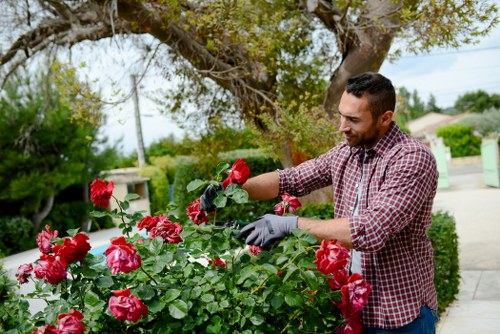
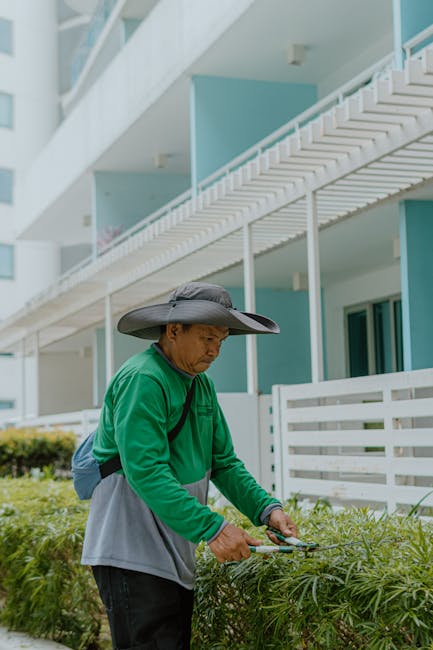
We provide hedge trimming in Brompton for gardens that need controlled, tidy cutting rather than heavy reshaping. The work is centred on maintaining healthy growth, clear boundaries and a smart finish that suits the property. Whether a hedge needs regular seasonal trimming or a more careful reduction, the aim is to shape it cleanly while respecting the plant and the space around it.
Our hedge trimming service covers routine cutting, selective reduction and the removal of loose, straggly growth that makes hedges look untidy. We can work on formal hedges that need a crisp line, as well as softer boundary planting that benefits from lighter attention. If you are comparing options, it is worth deciding whether you want simple maintenance, a lower profile, or a fuller tidy-up of the surrounding area as part of the same visit. Clear instructions at the start help the work stay consistent with your priorities.
If you are planning a quotation, you can contact us with the hedge type, approximate length and the level of finish you want. A few details about access, nearby fences or paving, and whether cuttings should be taken away can also help. For a direct request, please use our contact page when you are ready.
Regular Hedge Maintenance
Regular hedge maintenance is often the most practical way to keep growth under control through the year. A consistent schedule helps preserve shape, encourages denser foliage and reduces the need for more severe cutting later on. We can trim hedges so they remain within the boundaries you want, with attention to straight edges, neat faces and sensible height where access and plant health allow.
This type of work suits properties where the hedge is part of the overall garden structure. It may border a path, frame a front garden or provide privacy at the rear, and each setting calls for a slightly different approach. Light maintenance tends to suit younger or slower-growing hedges, while more established planting may need a firmer trim to keep the line even. Garden maintenance can also support the broader upkeep around a hedge if the surrounding beds, edges or lawn need attention at the same time.
What a tidy hedge finish usually involves
Good hedge trimming is not only about cutting the top. It also involves checking the sides for bulges, removing uneven protrusions and finishing the visible face so the hedge reads as one clear line. In some cases, the top is kept level for a formal look; in others, a gentle taper helps light reach the lower parts of the hedge. The exact finish should match the hedge species, its age and the shape that best suits the garden.
Shaping, Reduction and Boundary Control

Some hedges need more than a light tidy. When growth has gone beyond its preferred size, selective reduction can restore proportion without stripping the plant back too aggressively. This work may involve bringing height down gradually, narrowing the width where branches have spread too far, or re-establishing a shape that has been lost over time. The approach should remain measured so the hedge looks improved rather than harshly cut.
Boundary control matters because hedges can affect pathways, driveways, fences and neighbouring plots if they are left unchecked. A clean reduction can improve visibility, keep access points clear and make the garden feel better organised. We can discuss the outcome you want before cutting begins, especially where there is a preference for a softer natural edge rather than a sharply clipped profile. If you also need wider outdoor work, landscape gardening may be relevant where the hedge forms part of a larger garden change.
In practice, trimming and shaping are usually judged by the plant’s response as well as the visual result. Some hedges recover well from a stronger cut, while others are better maintained with regular, lighter work. That is why a careful, species-aware approach is useful. The goal is a controlled line, enough density to look healthy, and a finish that keeps the hedge suitable for the space it occupies.
Hedge Cutting for Front Gardens and Private Boundaries
Front garden hedges often need a slightly different treatment from secluded back boundaries. They are seen more directly from the street, so the finish tends to matter more in terms of presentation and clear sightlines. At the same time, privacy hedges at the rear may be trimmed to preserve screening while reducing bulk. We work with the shape and purpose of the hedge rather than applying one standard cut to every garden.
Where hedges sit close to public paths or shared edges, a tidy line can improve the whole appearance of the property and reduce overgrowth into walking space. In a private garden, the same hedge might be trimmed to allow more room for planting beneath or to create a stronger geometric line. If the hedge is part of a broader tidy-up, garden clearance can be useful where cut material, fallen branches or overgrown offcuts need removing as part of the same project.
Choosing the right finish for the setting
Formal hedges often benefit from crisp sides and a flat top, especially where the planting acts as a visual frame. Informal hedges can look better with softer lines and slightly more natural curves. The right finish depends on the species, the available space and how the hedge fits into the rest of the garden. We can trim with either approach in mind, keeping the work neat and practical rather than overcomplicated.
Managing Growth Around Access Routes

When hedge growth begins to narrow a path, hide a gate or crowd an entrance, trimming becomes a matter of both presentation and practical access. Cutting back the encroaching growth can improve movement through the garden and make regular use of the space easier. This can be especially helpful where the hedge has widened gradually and now occupies more room than intended.
We can trim hedges along side returns, around corners and beside steps with attention to clear access and a balanced line. Working near hard landscaping calls for care, since paving, walls, timber fences and decorative edging can all be affected by poor cutting technique. Where relevant, we may also suggest combining the hedge work with lawn mowing or other visible garden tasks so the finished result feels cohesive rather than partially completed.
A well-trimmed hedge should not only look neat from one angle. It should read properly from the main viewpoints in the garden and still allow the space to function comfortably. That means thinking about reach, clearance and the shape of the hedge as a whole. In many cases, a modest adjustment makes a stronger improvement than a dramatic cut, particularly where the hedge already has a good natural form.
Cutting Back Overgrowth Carefully
Overgrown hedges can become dense, uneven and difficult to keep in shape if they are left for too long. Cutting them back carefully can help restore order, but the work needs judgement. Removing too much at once may leave bare patches or a blunt finish, so the aim is usually to regain control in stages where necessary. That allows the hedge to stay presentable while the growth is brought back within a manageable outline.
If the hedge is extremely unruly, a broader garden tidy may be required before the trimming starts, especially where other plants, dead growth or waste are obscuring the edges. In some cases, the hedge work sits alongside services overview guidance when deciding how the property should be dealt with as a whole, particularly if several outdoor tasks need organising together. We can help keep the discussion practical and focused on the visible result you want from the hedge itself.
The quality of the finish depends on how the hedge is approached from the outset. A careful cut follows the existing structure where possible, keeps an eye on symmetry and avoids making the plant look lopsided. The result should be a hedge that feels controlled again, with a shape that is easier to maintain afterwards.
Garden Features That Work Well With Hedge Trimming
Hedge trimming often works best when it is considered alongside the other main elements of the garden. A well-cut hedge can frame a lawn, guide movement through planting beds or make a boundary look purposeful rather than forgotten. If timber structures are part of the setting, decking services may be relevant to properties where the hedge sits beside seating, steps or raised outdoor areas that benefit from a clean edge around them.
Where hedges run alongside mixed planting, the trimming line should complement the surrounding layout instead of competing with it. Some gardens suit a very precise shape; others look better when the hedge is softened slightly so it blends into the planting scheme. The same is true for tall hedges that shelter patios or break up larger spaces, where a neat external line can make the whole area feel more ordered without making it feel overworked.
Hedge work can also form part of a wider seasonal plan. The right timing, cutting intensity and finishing style depend on the plant type and the desired look. If you want a tidy, durable result, it can help to keep the hedge work consistent from one visit to the next rather than allowing large changes in height or width each time. A steady approach generally gives a cleaner long-term appearance.
About Brompton
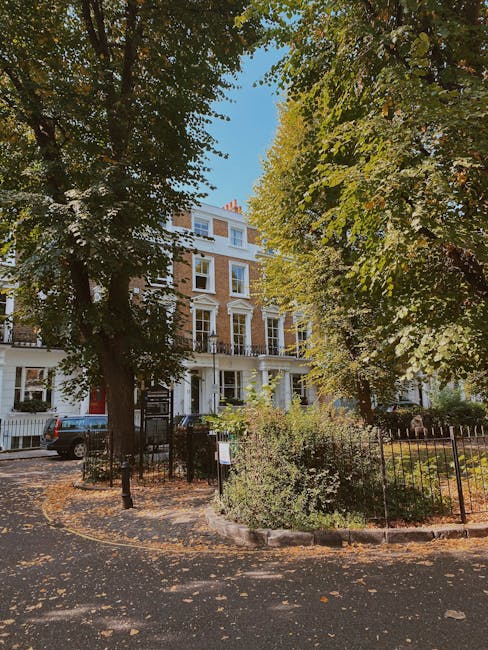
Brompton is a name shared by several places, but Brompton in London is widely associated with the Royal Borough of Kensington and Chelsea and the neighbouring South Kensington and Chelsea districts. The area is known for a dense urban fabric shaped by nineteenth-century development, with long terraces, mansion blocks and a network of streets that reflect the growth of west London during that period. Its character is shaped by both residential use and major cultural institutions, giving it a distinctive blend of everyday neighbourhood life and well-known destinations. The natural and built environment sit closely together here, with many streets lined by mature trees, brick façades and formal garden squares that help soften the urban setting.
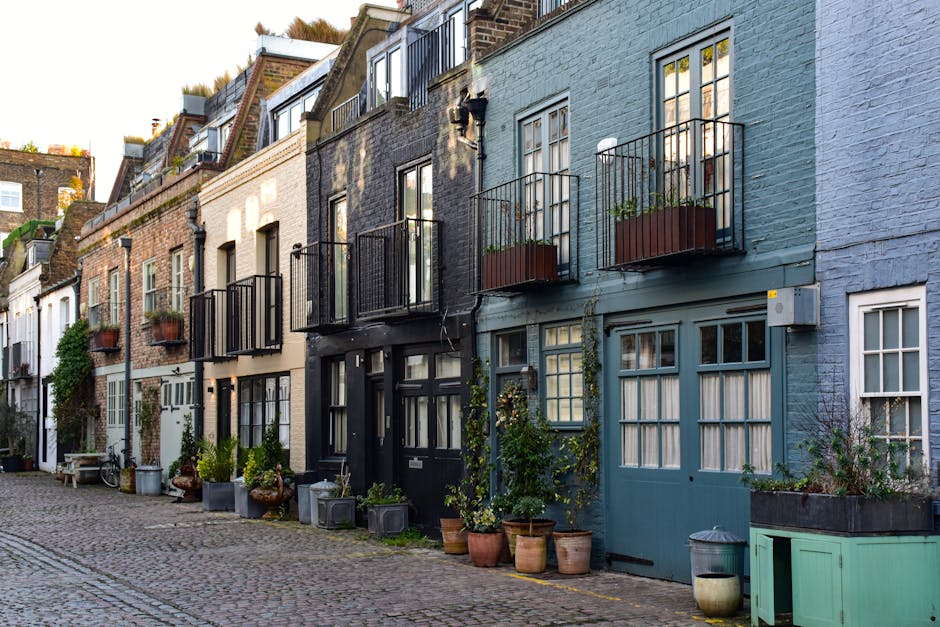
One of the best-known landmarks associated with the wider Brompton area is the Natural History Museum, along with the Victoria and Albert Museum and the Science Museum nearby in South Kensington. The locality also has strong transport connections through stations such as South Kensington and Gloucester Road, and it lies within reach of Kensington Gardens and Hyde Park, two of London’s most significant open spaces. Older ecclesiastical and civic buildings, together with later commercial and residential developments, create a layered streetscape that shows different stages of the area’s history. The district’s architecture ranges from grand terraces to smaller mews streets and converted buildings, giving it a varied visual rhythm despite the compact geography.
Because Brompton sits within central London’s established pattern of streets and squares, it is a place where the historic and the practical meet in close quarters. Museums, hospitals, schools, shops and residential properties all contribute to a busy urban identity, while the nearby parks and garden squares offer moments of calm. The area has long been linked with design, education and culture, and those influences remain visible in the way the neighbourhood is used today. Its streetscape is not dominated by a single landmark or style; instead, it is made up of many connected layers that together define Brompton’s character.
Pricing Factors and Quotation Details
Hedge trimming quotations are usually shaped by the hedge’s length, height, density and accessibility, as well as the amount of waste created by the cut. A narrow decorative hedge is very different from a tall boundary hedge that needs more time, more careful reaching and more material removed. The surrounding setting matters too, especially where work must be done close to fragile planting, paving or structures that require extra care during cutting and clearing.
It is also useful to think about the finish you want before asking for a price. A light maintenance trim, a moderate shape correction and a more involved reduction are not the same job, even when they involve the same hedge. If there are several outdoor tasks to plan at once, pricing and quotes can help frame the discussion around scope, while contact us remains the right step when you are ready to request a quotation for the trimming itself.
To keep the quotation process straightforward, it helps to note whether the hedge is front-facing or private, whether access is clear, and whether clippings should be taken away. If there is uncertainty about the scale of the job, a brief description is usually enough to start the conversation. Once the work is understood, the next step is to agree a practical way to trim the hedge neatly and safely.
Additional Outdoor Work That Can Support the Finish

Hedge trimming can sit naturally alongside other outdoor services when a garden needs a more complete tidy-up. If vegetation has spread beyond the hedge line, nearby planting may need reshaping too. In some cases, landscaping is relevant where a hedge forms part of a larger redesign, while tree lopping and removal may be considered separately if taller growth is affecting light, space or the overall balance of the garden.
Not every property needs that wider scope, but it is useful to know that hedge trimming can be planned as a standalone task or as part of a broader programme of outdoor work. For example, a hedge may be the main feature that needs attention now, while bordering shrubs or lawn edges are brought into line later. Keeping the work well ordered often makes the garden easier to maintain afterwards and helps each element look deliberate rather than left halfway finished.
If you would like a quotation for hedge trimming in Brompton, send the hedge details and the finish you have in mind, and we can help with the next step. A brief enquiry is enough to begin, and it is best to keep it focused on the actual hedge and the outcome you want. Request your quotation today using the contact page.