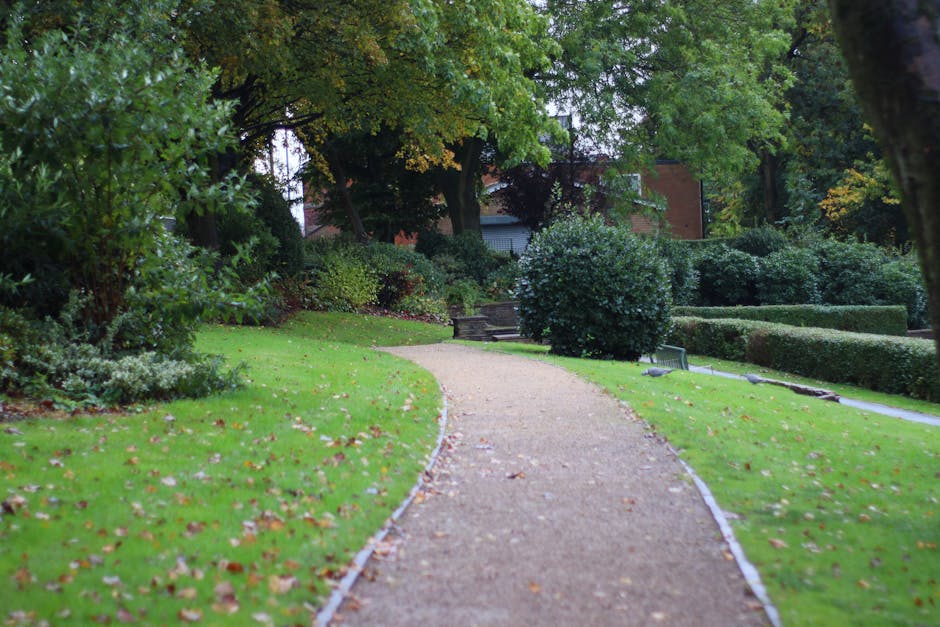
Cheyne Walk lawn and hedge gardeners Brompton case study
If you are looking at a Cheyne Walk lawn and hedge gardeners Brompton case study, you are probably not just curious about pretty borders and a neatly cut lawn. You want to know what good work actually looks like in a real London garden, how it is planned, what can go wrong, and whether the result is worth the effort. Fair enough. Gardens in Brompton and the wider Chelsea area often need a careful hand, not a one-size-fits-all approach.
This guide breaks the topic down in plain English. It explains why a case study matters, how lawn care and hedge work are usually approached in a high-value residential setting, what practical benefits to expect, and which mistakes tend to make a tidy garden look a bit tired again after only a week. You will also find a checklist, a comparison table, and a realistic example of what a well-managed lawn and hedge project can involve.
Why Cheyne Walk lawn and hedge gardeners Brompton case study Matters
A good case study is not just marketing gloss. It shows the thinking behind the work. In a place like Cheyne Walk, even a modest front garden can be visually important. The lawn frames the property. The hedges define the boundary, soften the lines of the house, and either lift the whole setting or drag it down a notch. There is rarely much margin for sloppy finishing.
That is why a Cheyne Walk lawn and hedge gardeners Brompton case study matters. It gives you a practical picture of how seasonal lawn mowing, hedge trimming, green waste handling, and ongoing garden maintenance fit together. More importantly, it shows how a garden can be managed so it looks calm and polished without becoming overworked or stripped of character.
In Brompton, gardens often sit within busy residential streets, close neighbours, limited access, and a strong expectation of discretion. So the best approach is not loud or heavy-handed. It is measured. Quiet machinery where possible, clean edges, careful timing, and a tidy exit. Truth be told, that last part matters more than people think. A well-finished job should not leave the front path looking like a hedge explosion.
If you want to understand the wider service framework, the services overview is a useful place to see how lawn care, hedge trimming, garden clearance, and related work sit together as a maintenance package.
How Cheyne Walk lawn and hedge gardeners Brompton case study Works
At a practical level, this kind of project normally starts with a site walk and a quick read of the garden's condition. The team looks at lawn height, hedge density, access, waste volume, the shape of the garden, and whether any areas need a lighter touch because of shade, recent weather, or root competition. Nothing glamorous there. But it prevents bad decisions later.
The workflow is usually straightforward:
- Assess the lawn, hedges, and surrounding planting.
- Agree the finish required, whether that is a formal clipped look or something softer.
- Carry out lawn mowing, edge definition, and hedge trimming in the right order.
- Remove cuttings and debris cleanly.
- Check the result from the street, patio, and boundary lines.
- Set an ongoing maintenance rhythm so the garden does not quickly slip back.
The order matters. For example, if hedges are cut after a lawn is mown without proper debris control, you can end up with clippings ground into the grass. Annoying, and easy to avoid. Likewise, the right hedge trim on Cheyne Walk should take into account shape, seasonal growth, privacy needs, and how much light the lawn receives. A hedge that blocks too much sun can leave grass patchy and thin, especially in tighter urban plots.
In many cases, the broader maintenance cycle will also draw on garden maintenance so the lawn and hedges are not treated as isolated tasks. That is usually the smarter way to do it.
Key Benefits and Practical Advantages
There are obvious visual benefits, of course. A sharp lawn and well-shaped hedge look ordered, cared for, and welcoming. But the deeper value is in garden health and consistency. Good maintenance reduces stress on plants, helps the lawn recover faster between cuts, and stops the hedge from becoming woody, uneven, or leggy. That is the unglamorous truth.
Here are the main advantages people usually notice:
- Better kerb appeal: The property looks maintained from the street, which is especially important in a prestige setting.
- Healthier growth: Regular trimming and mowing encourage more even regrowth and better shape retention.
- Reduced mess: Proper collection and disposal keep patios, paths, and entrance areas cleaner.
- Fewer urgent interventions: Smaller, regular visits usually cost less disruption than rescuing a neglected garden.
- Improved light and airflow: This helps lawns and border planting perform better.
There is also a practical comfort benefit. A tidy garden simply feels easier to live with. You step outside and the space does not ask for attention every time you glance at it. That might sound minor, but to be fair, it is often the difference between a garden you enjoy and a garden you keep postponing.
When hedge work forms part of the brief, specialist attention from hedge trimming services can help keep the shape crisp without forcing harsh cuts that cause stress or ugly regrowth.
Who This Is For and When It Makes Sense
This topic is relevant to homeowners, landlords, property managers, and anyone responsible for a visible private garden in Brompton or nearby Chelsea streets. It is also a useful reference point if you are comparing ongoing garden care against one-off tidy-up visits. The answer is not always the same for everyone, and that is fine.
This kind of lawn and hedge care makes the most sense when:
- your garden is small to medium and needs regular finishing rather than redesign
- hedges are forming the main privacy screen along a boundary
- the lawn is showing uneven growth, scalping, or thinning at the edges
- the property is often seen from the street or by visitors
- you want seasonal control without losing plant character
- you need a reliable maintenance rhythm rather than an occasional rescue job
It can also be a good fit if you are preparing a property for sale, letting, entertaining, or even just a busy summer when the garden gets used more. A lawn can go from "fine" to "hmm" surprisingly quickly after a few warm weeks. We have all seen that happen.
If access is tight, the site is overgrown, or there is old waste to shift before the main work begins, a related garden clearance visit may be needed first. That is especially common where hedges have not been cut for a season or two and the lawn has been buried under leaves or clippings.
Step-by-Step Guidance
If you are planning a similar job, here is the practical sequence that usually works best. It is not fancy. It just gets the job done properly.
1. Walk the site properly
Start with the boundaries, not the mower. Look at hedge height, spread, any dead sections, lawn texture, wet patches, and where cuttings will fall. You would be surprised how often the right plan becomes obvious in the first five minutes.
2. Decide on the finish
Do you want a formal clipped hedge line or a more natural profile? Do you want the lawn low and tidy, or slightly longer to help it cope with shade and foot traffic? A clear finish brief keeps everyone sane.
3. Tackle the hedge before the lawn, if possible
In many gardens, it makes sense to trim the hedge first so the cuttings can be collected before mowing the grass. That reduces mess and keeps the finish cleaner. Small thing. Big difference.
4. Shape, then refine
Cut the hedge into shape first, then step back and refine the visible faces. The goal is balance, not perfection in a cold, rigid sense. Sometimes one side needs a gentler cut because of shade or previous damage.
5. Mow the lawn with the site in mind
Mow according to grass condition, not just habit. If the lawn is stressed by heat or shade, a slightly higher cut is often wiser. And if the grass is damp, going too low can leave ugly ruts. Nobody wants that striped but tragic look.
6. Finish the edges and clean down
Edges are what your eye catches first. A clean border against a path or bed makes the whole garden look sharper. Then collect all waste, sweep hard surfaces, and give the garden a proper final check.
7. Set a maintenance interval
The real gain comes from keeping the garden in rhythm. Depending on growth, that may mean weekly or fortnightly lawn care and periodic hedge trimming through the growing season.
Expert Tips for Better Results
Experienced gardeners tend to do a few things consistently well. None of these are complicated, but they separate a decent result from a really polished one.
- Trim hedges with the final shape in mind, not just the current overgrowth. It is easier to preserve balance than to recover it later.
- Leave the lawn slightly higher in dry spells. That helps roots cope better and reduces scorching.
- Watch the light. In London gardens, even a small hedge can shade a lawn more than you expect.
- Clean as you go. Don't wait until the end to deal with cuttings, because they travel everywhere. Somehow.
- Use seasonal judgement. Spring growth is not the same as late-summer recovery.
- Respect the shape of the garden. Long straight lines suit some plots, while softer curves suit others.
One overlooked point: if the hedge is healthy but slightly sparse, avoid overcutting the outer layer. Better to make a series of lighter adjustments over time. Harsh cuts can look neat for a minute and then look worse for months. Bit of a trap, that.
For gardens with established planting and structural elements, it can help to think beyond mowing and trimming. Services such as landscape gardening and landscaping are often relevant where the long-term layout needs to support easier maintenance.
Common Mistakes to Avoid
Most garden problems here are not dramatic. They are small repeated errors. The kind you barely notice until the lawn looks tired and the hedge starts leaning out like it is trying to leave the property.
- Cutting too much at once: This can stress hedges and leave visible bare patches.
- Mowing too short: A low cut may look sharp initially, but it often weakens grass in warmer or shaded conditions.
- Ignoring edges: A neat centre with messy borders still reads as messy.
- Leaving clippings behind: This encourages a scruffy finish and can block light to grass underneath.
- Trying to force a formal shape on an informal hedge: Not every hedge wants to be a box.
- Skipping seasonal adjustments: Wet spring growth, dry summer growth, and late-autumn tidy-ups each need a slightly different touch.
Another common mistake is working without checking access and waste movement. In Brompton, a narrow side path or shared entrance can make a simple job slower if the team has not planned the route properly. It sounds basic, but planning access often saves more time than any fancy equipment.
Tools, Resources and Recommendations
You do not need a shed full of specialist gear to understand what good work looks like, but a few tools and service choices do matter. For a homeowner, the most useful thing is not owning every implement. It is knowing which job needs which approach.
Typical kit and resources include:
- precision hedge trimmers for shaping and finishing
- lawn mowers suited to the size and condition of the lawn
- edging tools for clean lines along paths and beds
- collecting equipment for cuttings and debris
- appropriate PPE such as gloves, eye protection, and sturdy footwear
In practical service terms, the most helpful pages to explore are lawn mowing for grass care, and garden maintenance for ongoing upkeep. If the garden has become cluttered or seasonal waste has built up, garden clearance can reset the space before the routine work starts.
And if a property includes mature trees or branches affecting light and growth, it may also be worth looking at tree lopping and removal. That is not always necessary, of course, but when trees cast heavy shade over a lawn, the effect can be night and day.
For homeowners comparing service quality, you can also check the company's about us page, along with practical service pages and policy pages like insurance and safety. Those details matter more than people sometimes admit.
Law, Compliance, Standards, or Best Practice
This sort of garden work is usually straightforward, but good practice still matters. In the UK, professional gardeners are expected to work safely, dispose of waste responsibly, and use equipment in a way that protects both the crew and the property. Exact obligations can vary depending on the job, the site, and the contractor, so it is sensible to ask how a business handles safety, waste, and insurance before work starts.
For a residential setting like Cheyne Walk, best practice usually includes:
- careful working around adjacent property boundaries
- respect for neighbours, noise, and timing
- safe handling of tools and cuttings
- clear communication about scope and access
- proper disposal or recycling of green waste where possible
If you are comparing providers, it is sensible to review the firm's published policies, including health and safety policy, recycling and sustainability, and payment and security. These do not replace a conversation, but they do show how the business thinks.
One more thing. A trustworthy contractor should be willing to explain what they will do, why they will do it, and what they will not do. That sounds obvious, yet it is still a strong sign of professionalism.
Options, Methods, or Comparison Table
Different gardens need different maintenance styles. The best choice depends on how visible the space is, how fast it grows, and how much time you want to spend managing it.
| Approach | Best for | Pros | Trade-offs |
|---|---|---|---|
| One-off tidy-up | Overgrown or neglected gardens | Fast reset, immediate visual improvement | Can slip back quickly if not maintained |
| Regular lawn and hedge maintenance | Homes needing consistent presentation | Steadier results, healthier growth, less disruption | Requires routine visits and planning |
| Seasonal heavy cut plus follow-up care | Gardens with stronger summer growth | Useful after growth surges, keeps hedges manageable | Needs careful judgement to avoid overcutting |
| Combined maintenance and improvement work | Gardens with weak layout or poor access | Can solve structural issues as well as appearance | Usually more involved and may take longer |
For many Brompton properties, the second option is the sweet spot. It keeps the garden looking calm without turning every visit into a major event. A one-off can be useful, but it is a bit like ironing a shirt and then walking through the rain.
Case Study or Real-World Example
Here is a realistic example based on the kind of work this topic usually involves. A narrow front garden in Cheyne Walk had a lawn that was thinning at the edges and a hedge line that had started to bulge unevenly into the path. The owner wanted privacy, but not a heavy screen. The overall brief was simple: tidy, balanced, and easy to keep up.
The work began with a careful assessment of growth, shade, and access. The hedge was trimmed in stages rather than cut back aggressively in one pass. That meant the line could be corrected without exposing a raw, patchy face. The lawn was then mown to a sensible height, with the edges redefined by hand so the path line looked crisp again. Waste was removed promptly, and the surface around the entrance was swept down so the finish looked complete, not half-finished.
What changed most was not just the appearance. The space felt more usable. The hedge still gave privacy, but it no longer pressed in on the path. The lawn looked greener because it was not being scalped. And the whole front of the property stopped looking slightly tired on arrival. You know that feeling when a garden suddenly seems to breathe again? That, basically.
If the garden needed wider improvement, the next logical step would be to consider landscape gardening advice, especially where drainage, edging, or planting design affects maintenance. In some cases, a property may also benefit from work linked to decking services if the outdoor space is being reorganised for easier use and cleaner lines.
Practical Checklist
Use this quick checklist before booking or carrying out a lawn and hedge job.
- Check whether the garden needs a one-off reset or regular maintenance.
- Decide if the hedge should be formal, natural, or somewhere in between.
- Look for access issues, narrow paths, or shared entrances.
- Confirm that cuttings and green waste will be removed.
- Ask how the lawn height will be chosen for the season.
- Make sure edges, not just the main lawn area, are included.
- Review whether shade, trees, or nearby structures affect growth.
- Confirm safety, insurance, and payment expectations in advance.
- Set a realistic follow-up schedule so the work stays effective.
- Keep an eye on how the garden looks from the street, not just from inside the house.
Expert summary: The best Cheyne Walk lawn and hedge results usually come from regular, light-touch maintenance, not dramatic cutting. The aim is balance, cleanliness, and continuity. Small corrections made often beat big corrections made late.
There is a simple reason for that. Plants respond better to steady care, and busy London gardens rarely reward drama. Not the gardening kind, anyway.
Get a free quote today and see how much you can save.
Conclusion
A Cheyne Walk lawn and hedge gardeners Brompton case study is really about more than a neat finish. It shows how thoughtful lawn care, measured hedge trimming, and practical garden maintenance can protect privacy, improve kerb appeal, and make a space easier to live with all year round. The strongest results tend to come from simple habits: assess first, cut carefully, clean thoroughly, and keep the work on a sensible rhythm.
If your garden has slipped a little, that is not unusual. Most do. The good news is that a calm, well-planned approach can bring it back without fuss. And once it is back in shape, keeping it there is much easier. That is the real win.
Sometimes the nicest gardens are not the most dramatic ones. They are the ones that feel quietly looked after, morning after morning, season after season.
Frequently Asked Questions
What does a Cheyne Walk lawn and hedge gardeners Brompton case study actually show?
It shows how lawn mowing, hedge trimming, waste removal, and ongoing upkeep can work together in a high-visibility Brompton garden. A good case study explains the process, the decisions behind the finish, and the maintenance rhythm needed to keep the result looking smart.
How often should a lawn and hedge be maintained in Brompton?
It depends on growth, shade, and the look you want. In many London gardens, lawns need regular cutting through the growing season, while hedges may need periodic trimming to keep their shape and stop them from becoming too dense or uneven.
Is regular maintenance better than a one-off tidy-up?
Usually, yes, if you want the garden to stay consistently neat. A one-off tidy-up is useful for a reset, but regular maintenance is better for long-term presentation and plant health. It tends to be less disruptive as well.
Can hedge trimming help the lawn grow better?
Sometimes it can. If a hedge is blocking too much light or air movement, the lawn beneath or beside it may struggle. Reducing excessive shade can help grass recover, though every garden is different and some hedges should only be reduced lightly.
What should I ask before hiring a gardener for this kind of work?
Ask what is included, how waste will be removed, what cutting height they recommend, whether they are insured, and how they handle access and safety. It is also sensible to ask how they would manage the work if the weather turns damp or windy.
What makes Brompton gardens different from ordinary suburban gardens?
Often it is the setting. Gardens may be smaller, more visible, and more closely framed by neighbouring properties. That means finish quality, discretion, and thoughtful timing matter more than they might in a larger open plot.
Do I need garden clearance before lawn and hedge work?
Not always, but it helps if the garden is cluttered, heavily overgrown, or full of old cuttings. Clearance can reset the space so the main maintenance work is more effective and quicker to complete.
How do I know if my hedge is being cut too hard?
If you are left with bare patches, exposed woody stems, or a shape that looks too flat and severe, the cut may have been too heavy. A careful gardener will usually make lighter, staged adjustments instead of stripping the hedge back all at once.
What role does health and safety play in garden maintenance?
A significant one. Tools, uneven ground, wet grass, overhead branches, and waste handling all bring risk. Good practice means using the right equipment, working carefully, and following sensible safety procedures throughout the job.
How can I keep the garden looking good between visits?
Keep paths clear, remove small debris, avoid overwatering in already damp areas, and do not let clippings sit on the lawn. Small, regular attention makes a surprising difference. A few minutes here and there really does help.
What if my garden needs more than mowing and trimming?
Then it may be worth looking at broader work such as landscaping, landscape gardening, or even decking if the space needs reshaping. A strong maintenance base is useful, but some gardens benefit from structural changes too.
Where can I check the company's service and policy information?
You can review the relevant service pages and policy pages, including the services overview, pricing and quotes, and contact us page. That usually gives a clearer picture of process, expectations, and next steps.